Briefing@simonxeyu188
Just How To Take Care Of Postpartum Urinary Incontinence
4 min read
Postpartum Urinary Incontinence: Reasons And Treatments Any disagreement on eligibility was dealt with with conversation with a third customer. When you're expecting, the expanding infant can put boosting stress on your pelvic frameworks and make you need to urinate much more regularly and with even more urgency. Generally, this loss of bladder control is reclaimed a few weeks after the birth of your baby. Walking, and raising weights are the most crucial structures of all for healthy bone density and core security. Lamaze, the Bradley approach, and several midwives and doctors motivate females to labor as long as needed and as long as the infant's health, as checked by the heartbeat, can endure labor. Consequently, lengthened labor or prolonged pushing is occasionally urged to avoid a cesarean area. Nonetheless, while secure for the child, it shows up that these concepts might not be in the most effective long-lasting passion of the mom. We know Bladder control now that prolonged and tough labors may cause permanent nerve damages and weakening of the pelvic muscular tissues and the supporting structures to the uterus, bladder and anus. As the physician pulls on the forceps, they push away the muscles and soft cells in the pelvis, enabling even more room for the child ahead out. The forceps additionally aid the doctor to draw the child out, particularly if there is a limited fit. Nonetheless, due to the fact that the tools are made from metal and take up area of their very own, they boost the threat of stretching and tearing the vaginal canal and sustaining cells of the pelvis. They likewise placed even more force against the nerves that run inside the pelvis.
Added Methods Augmenting Pelvic Floor Re-education
What does a postpartum bladder prolapse feel like?
you have achy discomfort in your pelvic area or back. you have problem going to the toilet. You might require to pee a whole lot, have difficulty emptying your bladder or bowel, or urinate inadvertently.
Postpartum Urinary Incontinence: Why It Occurs And How To Treat It
As the head appears, the forces can really tear the ligaments that anchor the pelvic sustaining muscular tissues to the pelvic bones. Sometimes the muscle mass near the beyond Autologous fascial sling the vaginal area is deliberately reduced by the doctor to aid accelerate the delivery. We now recognize this cut, called an episiotomy, increases the danger of anal urinary incontinence. If incontinence is persistent, you might intend to speak with a physiotherapist that can suggest other pelvic floor exercises along with kegels. Table 2 provides an overview of the measurement tools as used in the included studies, with the original and the converted (0-- 100 scale) dimension results. Five different measurement instruments for trouble were made use of, of which the ICIQ-UI SF was most frequently utilized [27, 29, 37, 39] One study just reported the results of the ICIQ-UI SF as categories [50], and two research studies did not report overall scores [24, 45] One measurement tool was self-constructed and non-validated [30] Kegels (key-ghels) is a simple exercise that can be done anywhere without requiring to develop a sweat.- Investing commitment right into appropriate gradual loading methods protects against lasting concerns like pelvic body organ prolapse or frequent leakage.
- As the infant's head comes down into the pelvis, it presses versus the muscle mass that line the inside of the hips.
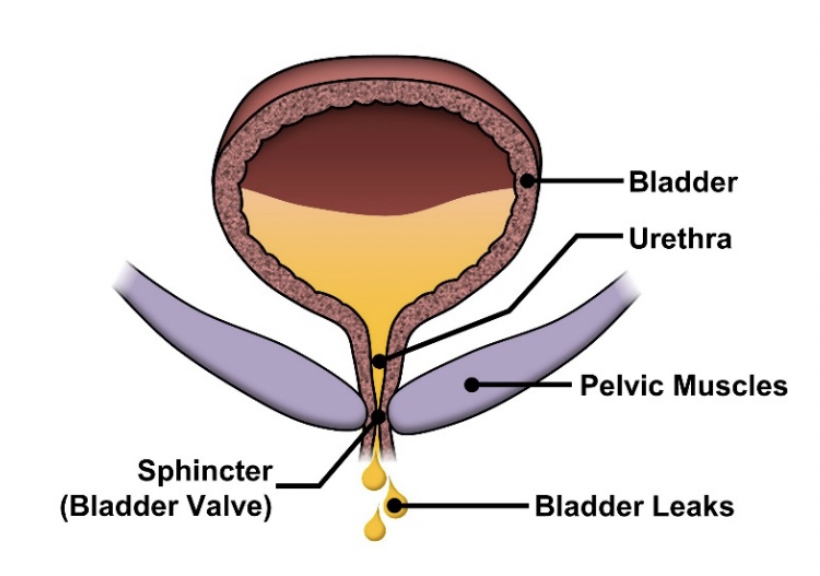
- The excess weight from your growing infant can put pressure on your bladder and other bordering organs, often deteriorating the muscle mass that manage pee flow, the pelvic floor muscles.
- Drinking small amounts of fluid often times throughout the day-- as opposed to a lot of liquid at once-- can help take care of leaking.